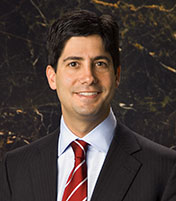
The landscape of global finance held its breath in early 2026 as President Donald Trump signaled his intent to nominate Kevin Warsh as the next Chair of the Board of Governors of the Federal Reserve System. This announcement, coming amidst palpable tensions over the central bank's monetary policy direction, set the stage for a potentially seismic shift in the nation’s economic strategy. Replacing Jerome Powell, whose tenure was marked by repeated public clashes with the White House over interest rates, Warsh’s prospective return to the Fed sparked immediate debate regarding the future of borrowing costs, inflation control, and the very independence of the institution.
Kevin Warsh's Hawkish Pedigree and Distinguished Fed Tenure
Kevin Warsh is no stranger to the inner workings of the Federal Reserve. His journey began under President George W. Bush, who nominated him to the Board of Governors. Sworn in on February 24, 2006, at the remarkably young age of 35, Warsh became the youngest individual to hold that prestigious position. He served with distinction until his resignation on March 31, 2011, a period that encompassed one of the most tumultuous eras in modern financial history: the 2008 global financial crisis.
During the crisis, Warsh emerged as a critical figure. He served as the Fed's primary liaison to Wall Street firms, a role demanding acute financial acumen and robust communication skills. His close coordination with the U.S. Treasury was instrumental in crisis management efforts, helping to navigate the perilous waters of collapsing institutions and frozen credit markets. His involvement included facilitating vital communication between the Federal Reserve and financial markets, contributing significantly to the implementation of emergency lending programs and crucial stabilization measures that prevented a total meltdown of the financial system.
Throughout his initial tenure and certainly in the years that followed, Warsh cultivated a reputation as a hawkish voice on interest rates. A "hawk" within central banking circles typically advocates for tighter monetary policy – meaning higher interest rates and a more aggressive stance against inflation – even if it means potentially slowing economic growth. This contrasts sharply with "doves," who prioritize stimulating economic growth and employment, often tolerating higher inflation. Warsh's post-Fed career further solidified this image; joining the Hoover Institution as the Shepard Family Distinguished Visiting Fellow in Economics, he continued to be a vocal critic of what he perceived as the central bank's overly accommodative or unconventional approaches, particularly regarding quantitative easing and the protracted period of ultra-low interest rates.
The Economic Climate of Early 2026: A Challenging Backdrop for the Kevin Warsh Fed
The period leading up to Warsh's potential nomination was characterized by a complex economic picture, one that would undoubtedly inform his approach to monetary policy. In late 2025 and early 2026, the U.S. economy was exhibiting moderate growth, with real GDP projected to expand by approximately 1.9% to 2.5% for the year. This growth, while steady, hinted at a slight slowdown compared to previous recovery periods, with some forecasts suggesting a concentration in the first half of the year before any reacceleration.
The labor market, a perennial focus for the Fed, showed resilience. Unemployment was anticipated to stabilize near 4.2% by year-end, reflecting healthy employment levels despite a moderation in job gains from the rapid post-pandemic recovery. However, a significant concern loomed: persistent inflation. Producer price trends were exceeding expectations, indicating inflationary pressures that could eventually translate into higher consumer prices. The ISM Manufacturing PMI, a key indicator of economic health, had risen to 52 in January 2026, signaling expansion in the manufacturing sector. For a hawkish policymaker like Warsh, these inflation signals, particularly rising producer prices, would likely be a red flag, suggesting a need for vigilance and potentially a more aggressive stance to maintain price stability.
Navigating Political Crosscurrents and Policy Independence
President Trump's public pressure on Jerome Powell to lower interest rates was well-documented, making the selection of Warsh particularly telling. Warsh, who had been considered for the role during Trump's first term, was positioned as a potential agent for policy shifts aligned with the White House's desire for easier money. However, a fundamental tenet of the Federal Reserve is its independence from political influence – a principle that Warsh, given his deep understanding of the institution, would likely be keen to uphold.
The nomination process itself faced unusual delays and scrutiny. As of late February 2026, the formal submission to the Senate had not occurred, partly due to a Department of Justice investigation into Jerome Powell concerning Federal Reserve building renovations. This investigation, which Powell himself dismissed as a "pretext," fueled speculation about the underlying political motivations. Additionally, Senator Thom Tillis vowed to block advancement until the investigation was resolved, adding another layer of complexity. This particular situation highlights the intricate dance between economic policy, political maneuvering, and institutional integrity. For more details on the nomination process, see Warsh Fed Chair Nomination: Delays Amid Powell Investigation.
Potential Impact on Interest Rates and Monetary Policy Under a Kevin Warsh Fed
If confirmed by the Senate, Kevin Warsh's leadership would undoubtedly introduce significant changes to the Federal Reserve's direction, with profound implications for interest rates and the broader economy.
- Interest Rates: Given his established hawkish stance and the prevailing inflation concerns in early 2026, a Warsh-led Fed would likely be less inclined to lower interest rates quickly. Instead, he might favor maintaining current rate levels or even considering rate hikes if inflation pressures intensify. This would diverge sharply from the White House's stated preference for lower rates. For businesses and consumers, this could mean higher borrowing costs for mortgages, car loans, and business investments.
- Inflation Targeting: Warsh's emphasis would likely lean heavily towards the Fed's price stability mandate. This could translate into a more proactive approach to curbing inflation, potentially at the expense of employment growth if the two objectives came into conflict. Investors should pay close attention to the Fed's inflation outlook and any new frameworks Warsh might propose.
- Balance Sheet Management: As a critic of unconventional monetary policies like extensive quantitative easing, a Warsh Fed might pursue a more aggressive strategy for reducing the Fed's balance sheet, which expanded significantly during previous crises. This "quantitative tightening" could further contribute to higher long-term interest rates and tighter financial conditions.
- Financial Stability: Having played a crucial role during the 2008 financial crisis, Warsh has a deep understanding of financial market vulnerabilities. His leadership could see an increased focus on regulatory oversight and measures to strengthen financial stability, perhaps even influencing how banks manage their capital and liquidity.
Practical Implications and Forward Planning
For investors, businesses, and everyday consumers, understanding the potential shifts under a Kevin Warsh Fed is crucial for informed decision-making. Here are some actionable insights:
- Businesses: Prepare for potentially higher financing costs. Review debt structures, consider locking in favorable rates if available, and focus on operational efficiencies to manage expenses in a tighter credit environment.
- Investors: Adjust portfolios to account for a potentially less accommodative monetary policy. Sectors sensitive to interest rates, like real estate or highly leveraged companies, might face headwinds, while those benefiting from a stronger dollar (if rates rise) could see advantages. Monitor inflation data closely as a key driver of Fed policy.
- Consumers: Anticipate higher interest rates on loans (mortgages, credit cards, auto loans). Budget accordingly and consider opportunities to reduce variable-rate debt. On the flip side, savers might see better returns on savings accounts and CDs.
- Economic Analysis: Pay close attention to Warsh’s speeches and testimony. His nuanced views on economic indicators, especially producer prices and their implications for inflation, will provide valuable signals for market direction.
Conclusion: A Crossroads for Monetary Policy
The potential return of Kevin Warsh to lead the Federal Reserve marks a critical juncture for U.S. monetary policy. With a distinguished background in navigating financial crises and a well-known hawkish stance, Warsh's confirmation would usher in a period of potential policy recalibration focused heavily on price stability. This could lead to a less accommodative interest rate environment than perhaps desired by political leaders, underscoring the enduring tension between presidential influence and central bank independence. As the nation grapples with moderate economic growth and persistent inflation concerns, the decisions made by the next Fed Chair will profoundly shape the financial future for businesses, investors, and every American household.